
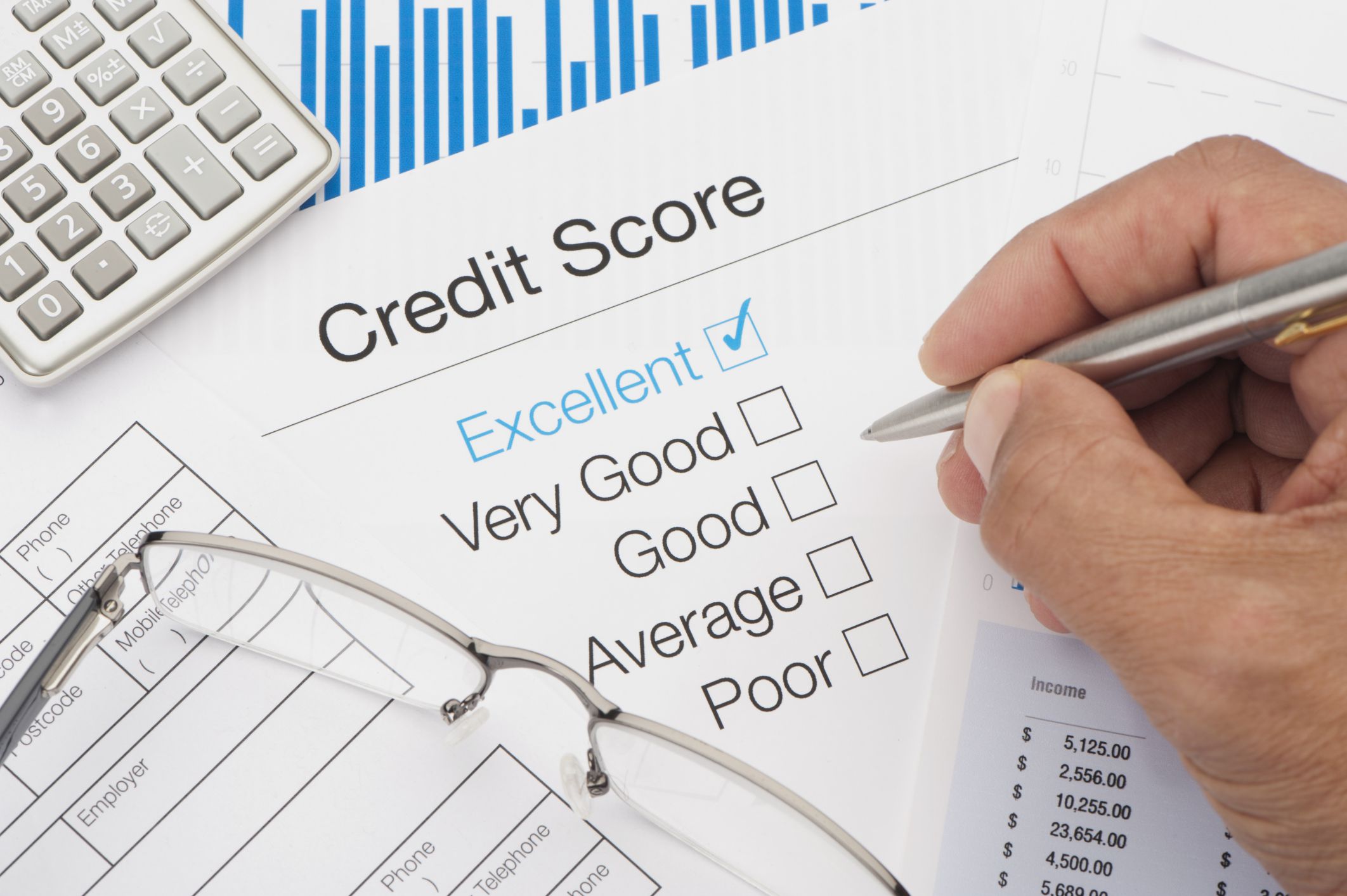

The FINANCIAL — Your credit score is a valuable asset that must be maintained and protected. Unfortunately, there are ways that other people can negatively affect your credit score – either inadvertently or with bad intent.
Protect your credit information by carefully monitoring these five potential paths to a reduced credit score.
1. Joint Accounts – Joint checking accounts can backfire if one partner abuses the account. Overdraft fees and other penalties can affect your credit score even if the other partner is responsible.
If you decide to cancel a joint account, be sure all parties are involved in the cancellation. You may still be responsible if one party leaves the account open but abandoned with unpaid fees and penalties.
Risks of joint accounts go beyond credit considerations, since one partner may clean out the account at any time with little recourse for another to reclaim the funds. Enter into joint accounts carefully.
2. Authorized User Status – If you are an authorized user on somebody’s card, you aren’t financially responsible for the debt. However, the activity on that card becomes a part of your credit report – whether or not you even use the card.
That’s positive if you are trying to build credit with the help of a responsible user, but negative if the primary cardholder is irresponsible with charges and payments.
On the other side of the equation, if you have allowed irresponsible authorized users on your account, you are responsible for their debts if they refuse to pay. Any misunderstanding or miscommunication that allows payments to be missed will affect your credit score.
In addition, users that run up debts that you can’t afford to pay immediately will increase your balance and your overall credit utilization (the amount of debt in use compared to your total credit limits) – in turn dropping your credit score.
3. Co-signing Loans/Leases – When you co-sign a loan or a lease, you have equal responsibility for all the payments. All activity on the account affects your score. Unless you are making all the payments, you’re dependent on the actions of someone else to make payments on time.
The act of co-signing a loan should decrease your credit score straightaway. Since you’re responsible for the debt, your overall debt load and credit utilization will increase.
4. Fraudulent Accounts – Identity thieves can open fraudulent accounts and rack up charges in your name. If you don’t check your credit report regularly or take other measures to prevent fraud, you may not know the charges exist until they have been turned over to collections and your credit has been severely damaged.
At best, you’re stuck with charges that you must dispute, and your credit utilization goes up in the interim – leading to a lower credit score. If you would like to monitor your credit to prevent identity theft and see your credit reports and scores, and use our free Identity Protector tool.
5. Unauthorized Credit Inquiries – When you apply for a new line of credit, the lender will initiate a “hard pull” on your credit score to check on your status. Multiple hard pulls can drop your credit score because they suggest that you’re planning to increase your credit capability and risk overextending yourself.
Unfortunately, it’s possible for potential creditors to run a check without your permission or full understanding. For example, an auto dealership you have visited could run a credit check before you have agreed to a purchase.
It takes financial diligence and hard work to maintain a high credit score. Don’t let others drag your credit score down. Monitor your credit regularly – and be cautious about helping others with credit problems.


