
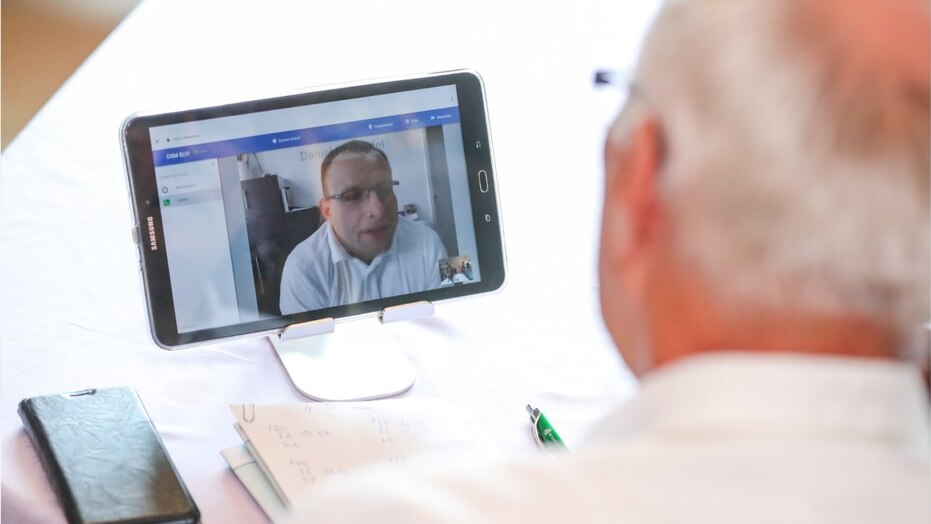

The FINANCIAL — For years now, we’ve been tracking the rapid growth of telehealth as a health plan offering in our National Survey of Health of Employer-Sponsored Health Plans – along with the disappointingly slow growth in average utilization, which only reached 9% of eligible employees in 2018. But telehealth has a potentially crucial role to play as the coronavirus (COVID-19) outbreak continues to expand in the US and countries around the globe. The question found by Mercer is, are employers willing to promote it?
Have you encouraged employees to use telemedicine services during the COVID-19 pandemic?
So far, we’re not seeing much evidence that they are. Of the 235 employers responding to the Mercer Talent All Access’ COVID-19 outbreak spot survey, only 16% said they are “advertising telehealth or digital health options for non-epidemic issues so employees avoid unnecessary care in hospitals.” This seems like a missed opportunity to educate employees about existing telehealth solutions. Per the CDC, telehealth platforms can prevent patients who can be cared for at home from potentially exposing themselves or others to germs. And employees may actually be far more willing to use telehealth solutions than the utilization averages would suggest.
In Mercer Marsh Benefits’ Health on Demand survey, which was fielded prior to the COVID-19 outbreak to more than 16,000 workers in 13 markets around the globe, the majority of workers said they would be willing to try telehealth both for “a simple health issue like a rash or a cold” and “’for a significant health issue like diabetes.” The results hold when looking at specific markets that have been significantly impacted by the COVID-19 outbreak:
- In China, 67% of employees are willing to try telehealth for both simple and significant health issues
- In Italy, 44% of employees were willing to try telehealth for simple health issues and 42% were willing to try tele-medicine for significant health issues
- In the United States, 44% of employees were willing to try telehealth for simple health issues and 39% were willing to try tele-medicine for significant health issues
- In addition, a third of the workers surveyed indicated they would rather use online virtual care than see a doctor face-to-face if it meant shorter wait times.
- In recent weeks, we have seen local governments taking action to make telehealth services more readily available:
- In the UK, the NHS has launched a new online tool to manage coronavirus queries, with over 70,000 people accessing the tool in less than a week
- In China, 50% of all medical care has been moved online
- In the US, reimbursement restrictions on telehealth for Medicare patients will be waived following the passage of a coronavirus emergency funding package and insurers are waiving telehealth fees


