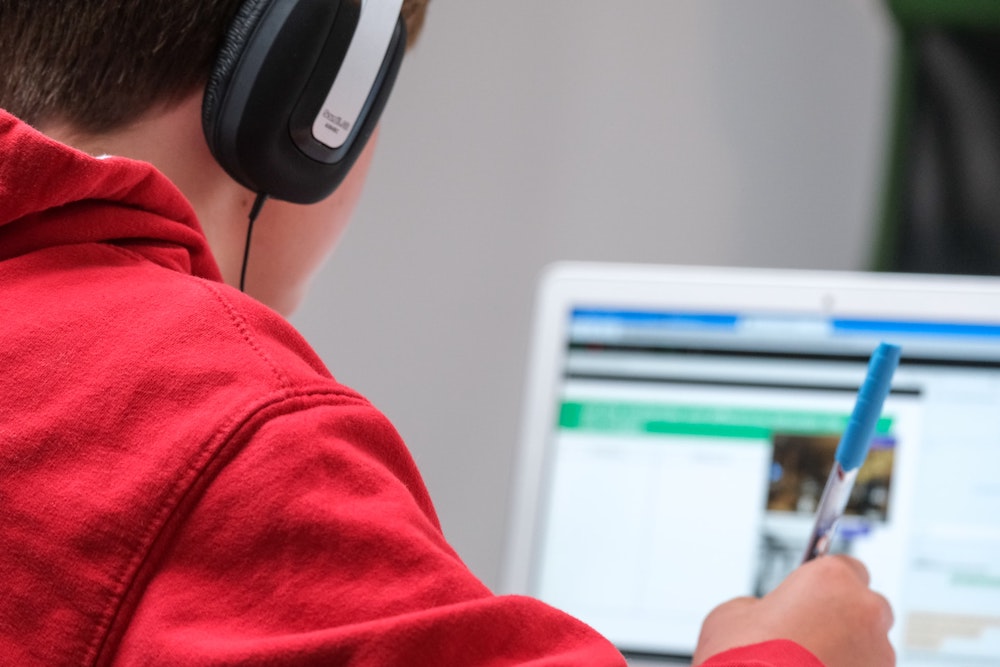

British Reporter — According to World Bank, remote learning can ensure that students continue learning through a variety of avenues. While digital technologies can offer a wide set of capabilities for remote learning, most education systems in low- and middle-income countries, including schools, children and/or teachers, lack access to high-speed broadband or digital devices needed to fully deploy online learning options. As such, education systems need to consider alternative ways for students to continue learning when they are not in school, like in the current COVID-19 crisis.
During 2020 until present, countries have been implementing remote learning strategies (for example, TV, radio, online platforms, mobile) with various rates of success. As many countries start to reopen schools, they still need to have remote learning strategies put in place as hybrid learning may become the new normal, with countries closing or opening according to outbreaks. With this in mind, there is a need to support policymakers to make informed decisions regarding remote learning and the use of EdTech solutions to support continuous learning and connect teachers, students, and parents. The COVID-19 pandemic has evidenced the importance to develop flexible, inclusive and resilient information and communications technology policies to support the education systems, World Bank notes.
Strategic Guidance to countries on remote learning delivery models
Over a year into the COVID-19 pandemic, most countries by now know the different technologies available for remote learning. What they may lack is the “know how” to use them effectively, to make decisions on optimal combinations and seamless integration of the technologies, to plan for a holistic implementation, and to procure them cost-effectively.
The EdTech Toolkit for Remote Learning aims to support policymakers in the planning and medium- to long- term design of multi-faceted remote/hybrid learning strategies in low-resource environments by developing a Toolkit for policymakers, informed by a study on the effectiveness of remote learning. The EdTech team is supporting governments’ COVID-19 remote learning efforts by:
I. Creating and curating knowledge on remote learning with global partners and documenting the perceived effectiveness of remote learning approaches from countries during the COVID-19 pandemic
II. Using the knowledge and evidence gathered, to develop a toolkit for policy makers that provides decision-trees on selecting both EdTech for continuous (remote and distance learning models including the use of radio, TV, print, online/mobile systems) and accelerated learning systems (such as adaptive, intelligent tutoring, self-paced, etc.). This toolkit will have two main parts:
According to World Bank, technical guidance notes or knowledge packs on key delivery technologies such as Radio, TV, Mobile, Remote Learning, and Innovation Ecosystems, Online Learning (including digital content development and platforms), and Infrastructure (connectivity, devices, cloud, EMIS, etc.)—currently under development. These include standards, evidence, how-to implement guidelines, examples, case studies, etc. so that clients can make key planning, design, and procurement decisions about an EdTech program that they can integrate into the education system to build resilience
III. Testing the knowledge packs in selected countries
IV. Building capacity of World Bank operational teams on using the toolkit
The EdTech work is benefitting from funding from the Global Partnership for Education (GPE).
RELATED
WORLD BANK
Continuous and accelerated learning in response to COVID-19
Remote Learning, EdTech & COVID-19
Digital technologies in education
EduRadio knowledge pack
Education TV knowledge pack
Mobile Distance & Hybrid Education Solutions knowledge pack
Remote Learning knowledge pack
Innovation Ecosystems knowledge pack