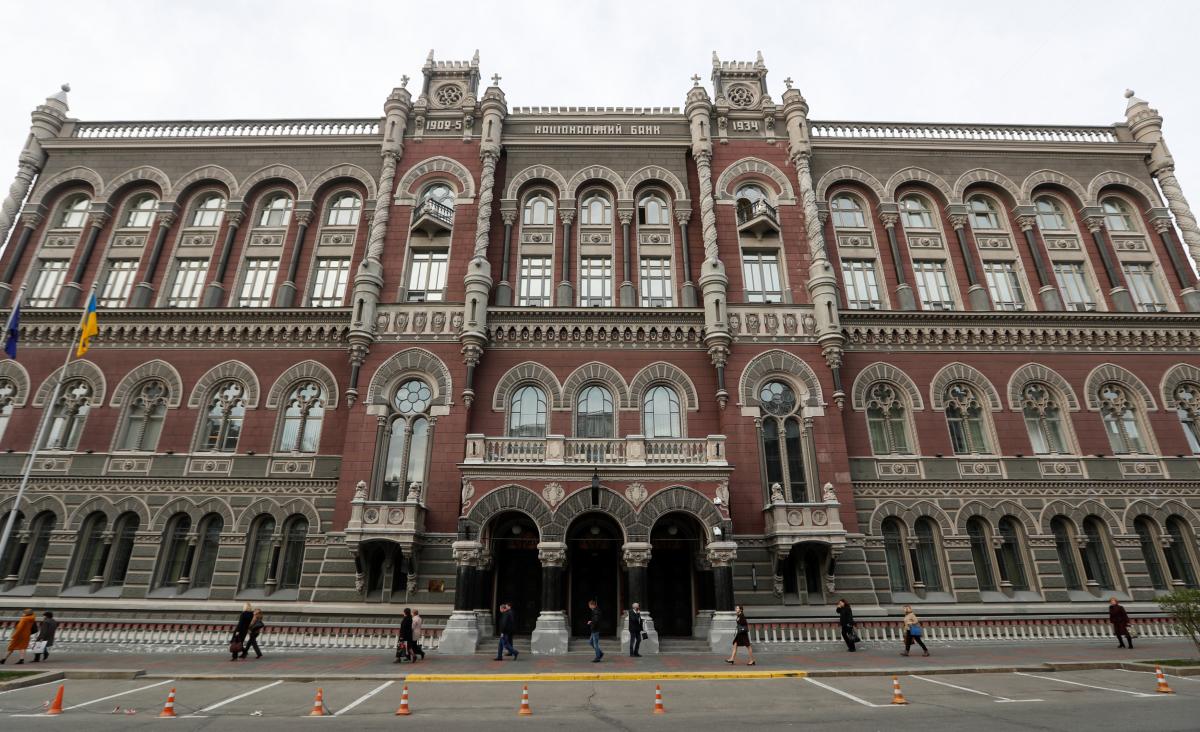

The FINANCIAL – IFC, a member of the World Bank Group, announced it will be working with the National Bank of Ukraine to develop a national financial inclusion strategy aimed at improving access to digital financial services, creating jobs and boosting the country’s economic growth.
In Ukraine, the share of digital, i.e. non-cash transactions—in total volume of transactions using payment cards—increased from 25 percent in 2014 to nearly 50 percent in late 2019, according to the National Bank of Ukraine. Triggered by the COVID-19 pandemic, internet banking has been on the rise in 2020, with around 60 percent of the country’s population able to access financial products and services via the digital identification system, according to Ukraine’s Ministry of Digital Transformation. However, the quality of digital financial services in Ukraine requires further enhancements.
To drive the country’s progress in this area, the IFC Ukraine Financial Inclusion for Growth Program—in partnership with the Swiss State Secretariat for Economic Affairs (SECO) and the UK Government’s Good Governance Fund—will support the National Bank of Ukraine to create a national financial inclusion roadmap, expanding responsible access and usage of financial services.
“Our goal is to secure Ukraine’s citizens with maximum access to financial services and products. We have no right to leave anyone behind. Our joint efforts will impact the country we will live in the future: a comfortable, financially inclusive, and modern country or the one where the majority of population is outside the country’s financial system,” said Kyrylo Shevchenko, Chairman of the National Bank of Ukraine.
Moving forward, the National Financial Inclusion Strategy will ensure the development of remote channels of financial services, including payments, digital financial services, access points, and others. It will further help expand a range of financial services and protect consumer rights. The process will involve discussions with the Ministry of Finance and Ministry of Digital Transformation, local financial institutions, payment providers, and other financial market players in order to support the design and development of an Action Plan for the National Financial Inclusion Strategy.
“Implementation of a well-designed financial inclusion strategy will help Ukraine expand access to financial services. This is essential, particularly now given the economic crisis triggered by the pandemic,” said Jason Pellmar, IFC Regional Manager for Ukraine, Belarus, and Moldova. “This engagement is core to our strategic partnership with the National Bank of Ukraine and our shared objective to boost the resilience of the country’s financial system, inspiring confidence in the financial sector.”
In August 2020, IFC and the National Bank of Ukraine signed a memorandum of understanding. In addition to developing the National Financial Inclusion Strategy, this partnership will help create competitive market conditions for financial service providers and improve the credit reporting system. This will help decrease transaction costs for customers, thereby supporting business growth in digital financial services.