

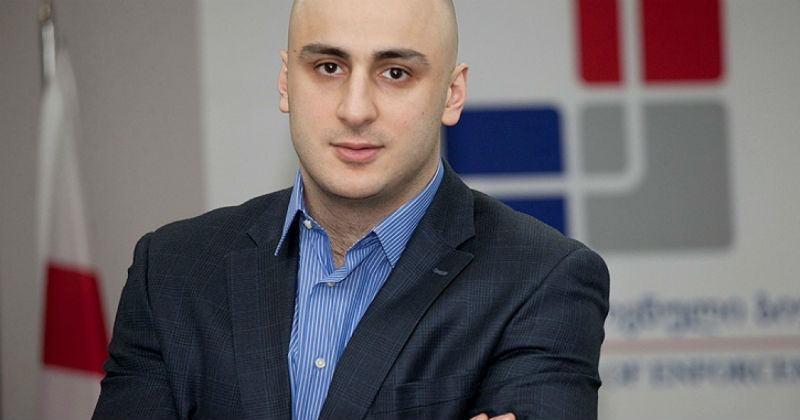
The FINANCIAL — On 1 February 2018, on air on talk-show Reaktsia, a member of the United National Movement, Nika Melia, stated: “In the last five years, lives of poor have become even harder… Every fifth child lives in poverty. Every sixth citizen takes debt to buy food”
FactCheck verified the accuracy of Nika Melia’s statement.
UNICEF carries out a research on “The well-being of children and their families in Georgia” in every two years. The last research was published in 2016 and it includes 2015 figures. In accordance with the research, child poverty indicators (extreme poverty and general poverty) have been decreased. However, child poverty remains as one of the most important challenges. General child poverty is 21.7%, whilst extreme poverty rate is 2.5%.
Social exclusion and subjective poverty levels have been increased as compared to the previous years. Subjective poverty is based on self-assessment of households, which state that they cannot provide themselves with enough food or that they feed themselves so poorly that their health is endangered. In 2013, 24.3% of Georgia’s population stated that they lived in poverty. The share of children living in those households was 22.9%.
In 2016, Oxfam published “National Research on Nutrition in Georgia”. In accordance with the research, half of Georgia’s population has problems in regard to affordability of food. Sixty percent of the population sometimes takes debt to buy food. Of that amount, 7.1% of households buy everything with the borrowed money, and 13.5% buys almost everything with the borrowed money. Therefore, 20.6% of the population (every fifth person), buys food mostly by the borrowed money. Of note is that the similar research has not been conducted neither before nor afterwards and therefore there is no possibility to identify trends in that regard.
In accordance with the data of the National Statistics Office of Georgia, poverty rate has been dropped considerably under the incumbent government. In 2012 absolute poverty rate was 28.9%, whilst in 2016 that figure decreased to 21.3%. However, of note is that in 2016, level of poverty was increased slightly, by 0.5% as compared to the previous year.
Conclusion
In accordance with the UNICEF’s data, every fifth child (21.7%) in Georgia lives in poverty. However, child poverty rate has been decreased significantly as compared to the previous years.
In accordance with Oxfam’s “National Research on Nutrition in Georgia”, every fifth person (20.6%) in Georgia buys food mostly by the borrowed money. The similar research has not been published before 2016 and we do not know whether or not the situation got worsened in the country.
As compared to the previous government’s rule, poverty figures have been dropped significantly. However, in accordance with the UNICEF’s data, subjective poverty figure has increased, meaning that more people consider themselves to be poor.
Nika Melia gives correct figures. However, the pathos of the statement that the population’s social situation has worsened in the last five years, does not correspond to the truth.
FactCheck concludes that Nika Melia’s statement is HALF TRUE.


