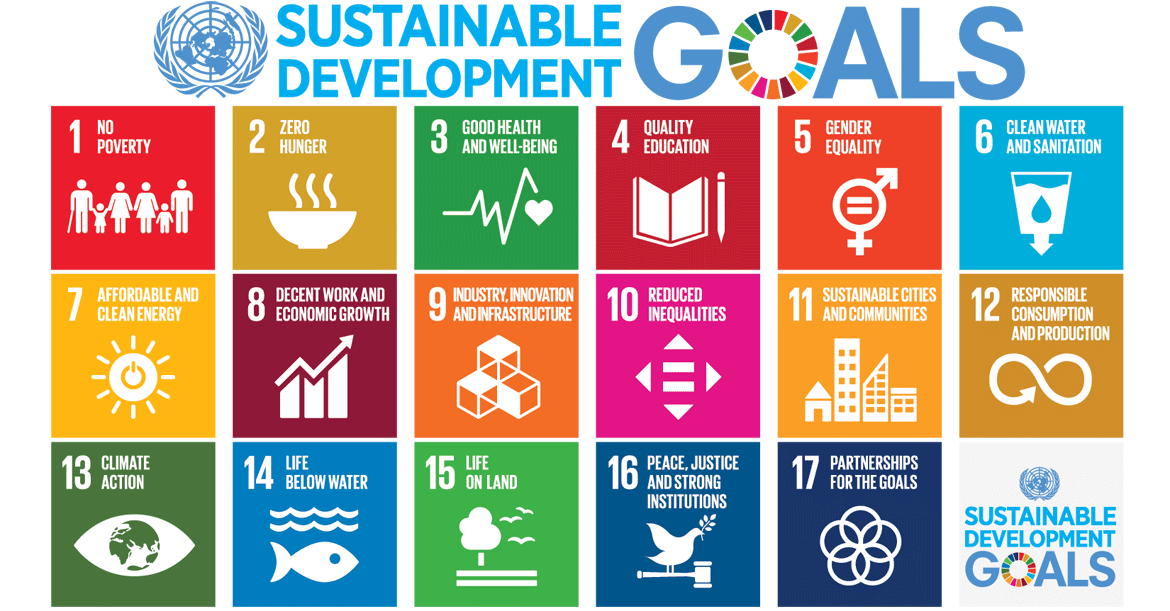

The FINANCIAL – The fundamental role the financial sector plays in helping secure the objectives set out in the UN Sustainable Development Goals (SDGs) was made clear at the opening of the SDG tent yesterday in Davos during the World Economic Forum.
For the first time ever, the top five risks reported in the World Economic Forum Global Risks Report related to the environment. There is consensus that we’ve reached a pivotal moment as values and value come together and align for the first time. It’s manifestly clear when you consider that physical risks such as forest fires and flooding are impacting the risk and value of portfolios. Stakeholders and clients are also demanding that the industry evolves and meets today’s challenges. Organizational performance will be compromised if environmental considerations are ignored, panelists agreed.
The dialogue around finance, sustainable finance and climate change has significantly developed over the past decade from one that largely focused on theory to one that is ready help galvanize huge sums.
“Capitalism has failed because of its focus on short-term profitability and performance. Companies need to be measured not just on their finances, but on how they use their resources to serve their community. If you are a leader, you need to ask yourself: How are your stakeholders, not just your shareholders, being served by what you are doing?,” said Andre Hoffmann, President of InTent and Vice Chairman of Roche Holding Ltd, in the opening panel of the SDG tent.
The UN estimates that the gap in financing to achieve the Sustainable Development Goals amounts to $2.5 trillion per year in developing countries alone. If world leaders are serious about reaching the SDGs, the overall economic and financial system needs to refocus in a very short time period, with little time for incremental change.
The private finance sector has an essential role to play in closing this gap, thereby contributing to the achievement of the SDGs. At the same time, both private clients and institutional investors are increasingly seeking sustainable investment solutions for. As a consequence, the market share of sustainable investments has been growing in key markets across the globe.