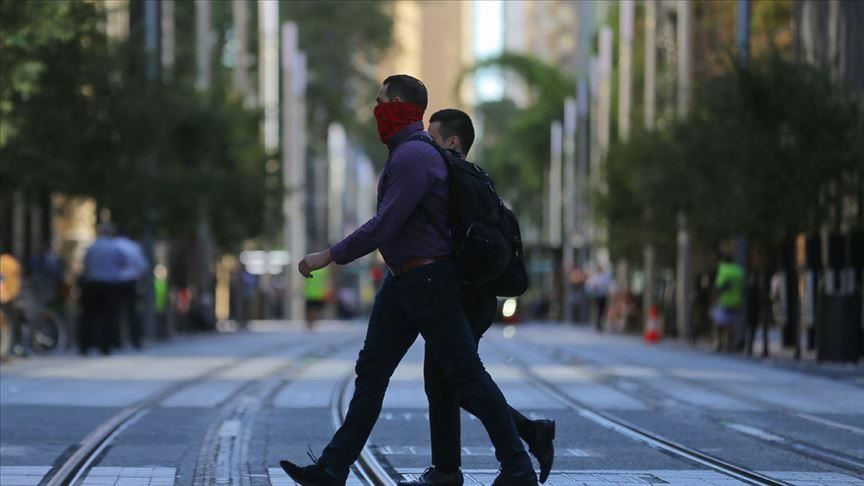

Australia currently has around 6000 cases of coronavirus and the government measures aimed at keeping the pandemic under control are starting to get stricter. And while the government is convinced that these new measures are pretty simple to follow quite the opposite has been the case. Especially since different regions of Australia have to follow a different set of rules, it has become increasingly confusing for people to stay on top of these descriptions and find out whether or not they are allowed to visit a friend, go to entertainment centers, coffee shops and so on.
What are the new regulations?
Australia’s lockdown is still pretty mild compared to some cases we’ve seen in neighboring countries. People are still allowed to go out for walks, everyone gets a chance to walk their dog, and even visit their immediate family if that is an emergency. But as it usually unfolds, the fact that there are some exceptions, for example being able to visit your family or your parents, it could easily be misused by many, further escalating the situation.
Australia’s social gathering places have also been given gray guidelines. While most places where one could go for a fun weekend are closed down, some online alternatives have emerged. Australia, which is a gambling capital of the world, had to close down all of its casinos. And while this will definitely affect the country’s economy in a negative way online casinos are getting a unique chance to finally become more relevant than actual casinos. You can still enjoy gambling but without leaving your house. But this only works for industries that do have the chance to operate strictly online. But when it comes to restaurants the situation is a bit different. While takeaways are still valid in some places you can’t really enter any food facility or enjoy your coffee at your favorite cafe. Even though in most places the concept of Social Support is still considered valid enough reason to get together with people. The limitations are of course set on the number of people that can be hanging out within closed spaces, but still, the definitions are quite vague and often misleading.
This is why there have been many cases of people actually breaking the lockdown rules without even properly knowing what aspect they managed to somehow overlook.
In most cases, you will find that you will need to double-check that the social activity that you’re about to comment on is allowed in your region. Because these vary from state to state and these different regulations have very few things in common, it’s difficult to know if the rules apply to you and if they do what are some of the exceptions.
Trying to strike the perfect balance
While in hindsight, making these exceptions means that those who really do need to visit their parents and help them out will get a chance to do so, but it also means that a lot more people will find themselves confused over what applies to them and whether or not they can hope to pass as an exception. The public gatherings have been long ruled out, under any circumstance but actually these small get-togethers might be accelerating the spread of the virus just as much.
In these trying times, the sooner we manage to take the situation under control the sooner it will be over. But it is crucial that we don’t’ neglect the needs of those who require the most assistance, who can’t survive this on their own. The government of Australia has a tough job of trying to find the perfect balance between restricting movement and allowing those who need assistance to still get it.