
Can growing food at home help households to be more resilient to future lockdowns by ensuring access to healthy foods? How much can we grow at home and does this have benefits for our health and wellbeing?
A new study published by the University of Liverpool, involving researchers from the University of Liverpool, Lancaster University, and Cranfield University, has been launched to examine the potential of home food growing to confer health, wellbeing and sustainability benefits in the light of the ongoing COVID-19 pandemic. This is part of the two-year Rurban Revolution project, which is funded by the UKRI programme Global Food Security.
Lockdown in the UK saw an unprecedented rise in engagement with home food growing, likely motivated by concerns over food shortages. Applications for allotments also soared during the pandemic, indicating a developing consumer appetite for self-sufficiency and growing-your-own.
The inter-disciplinary team of researchers will use methods spanning plant, environmental and behavioural sciences to understand the potential benefits of growing food at home. Using a “Citizen Science” approach, the research will address a number of important questions. Does home food growing make people feel more secure in times of crisis, and improve diet and wellbeing? Is home grown food nutritious and safe to consume? How does home food growing impact on the natural environment? And what support do people need to be successful home growers?
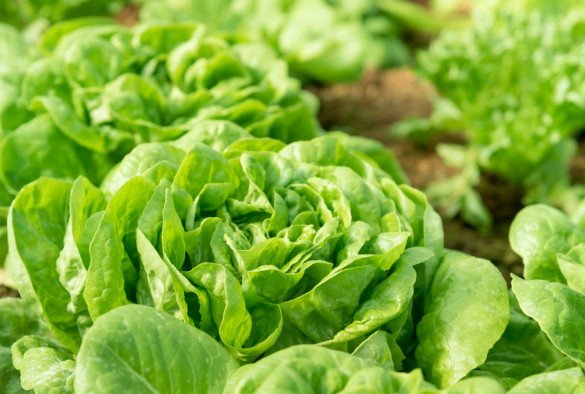
Study participants will grow lettuces in their gardens, complete online questionnaires about their diet, wellbeing and opinions, and collect their own soil and plant samples to provide to the researchers for nutritional and contaminant analysis. The researchers will also test the air quality around the growing environment to understand how this impacts what’s grown.
Dr Charlotte Hardman, University of Liverpool lead investigator, said: “Access to nutritious food and nature have been priorities during the initial lockdown phase and are set to remain so with continued social distancing and likely intermittent restrictions in the future.
“The appeal of food growing in urban areas is likely to continue and we’re excited to be working with people who are setting out on home-growing projects to understand the value that this can bring.”
Dr Bethan Mead, post-doctoral researcher on the Rurban Revolution project, said: “Our mixed-methods approach, combining surveys and interviews with citizen-generated data on plant and soil quality will enable us to gather critical information on household level responses to the ongoing COVID-19 pandemic.
“The findings will guide recommendations on how to support household food access and mental wellbeing through urban food growing during times of crisis